Here we highlight the work of NTI and share knowledge, ideas, and viewpoints addressing the crosscutting challenges our world faces—addressing risks while supporting innovation—to make our world safer.
People Are Trying to Misuse AI. That’s Exactly Why Safeguards Matter.
The policy challenge ahead is ensuring that safeguards, governance frameworks, and security practices continue to responsibly scale alongside the technology. If they do, society can capture AI's enormous benefits while keeping emerging risks firmly under control.
People Are Trying to Misuse AI. That’s Exactly Why Safeguards Matter.
The policy challenge ahead is ensuring that safeguards, governance frameworks, and security practices continue to responsibly scale alongside the technology. If they do, society can capture AI's enormous benefits while keeping emerging risks firmly under control.
When Official Channels Close, Track IIs Keep Diplomacy Moving
Beijing and Washington must be on the same page to avoid nuclear material from falling into the wrong hands. Continued Track II engagement on nuclear security is essential for preserving cooperation within a critical area of shared interest, even when diplomacy between political officials is at an impasse.
Biological Risks Are Growing. The BWC is Working to Keep Up.
As scientific and technological advances accelerate, the Biological Weapons Convention (BWC) faces a defining test. The BWC’s future depends on whether the world can match the pace of biological innovation with equally ambitious efforts to prevent catastrophe.
Bringing Nuclear Risk Reduction to the Digital Generation
Younger generations understand nuclear weapons through digital screens rather than personal experience. The future of nuclear risk reduction hinges on the ability to communicate with and engage young people directly; to educate and mobilize them around nuclear issues.
Jake Jordan, PhD serves as the Vice President of Global Biological Policy and Programs (NTI | bio). He rejoined NTI in March 2026, having previously served as a senior director from 2018 to 2020. Jake spoke with NTI | bio intern Alex Kyabarongo about his role and past experiences.
Most of us think of cognitive biases as quirks of everyday decision-making, but a recent Texas National Security Review study shows they are deeply embedded in people’s attitudes toward nuclear weapons and war.
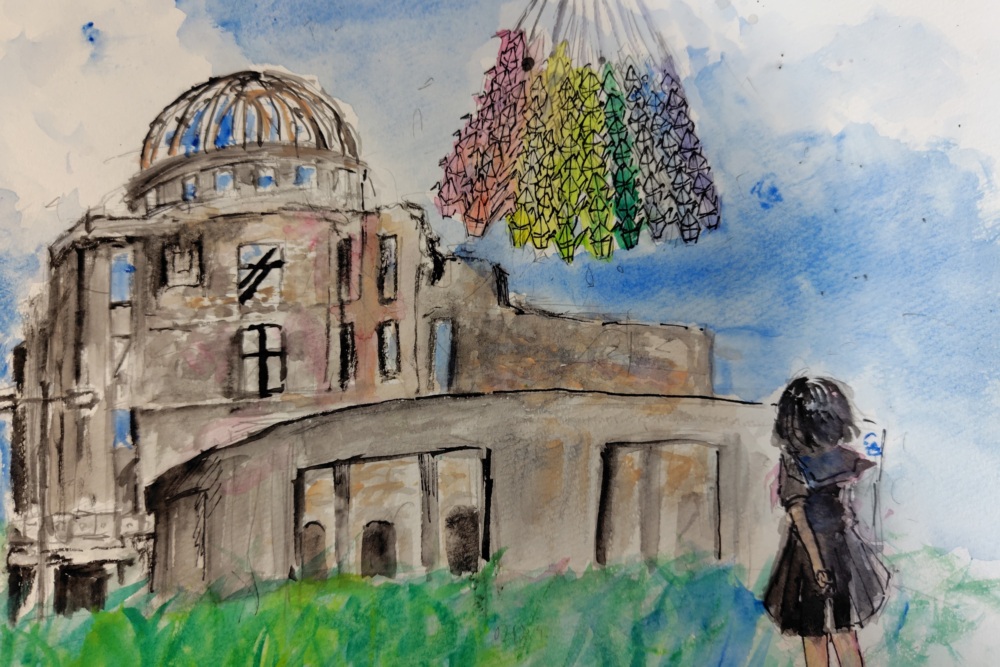
How Art Carries Hiroshima’s Memory Across Generations
NTI’s Hiroshima and Nagasaki commemoration activities this year centered on the theme of passing the torch to the next generation. The result was an intergenerational connection reflected in two artists: 88-year-old Hiroshima survivor Toshiko Tanaka, and 13-year-old painter Kotone.
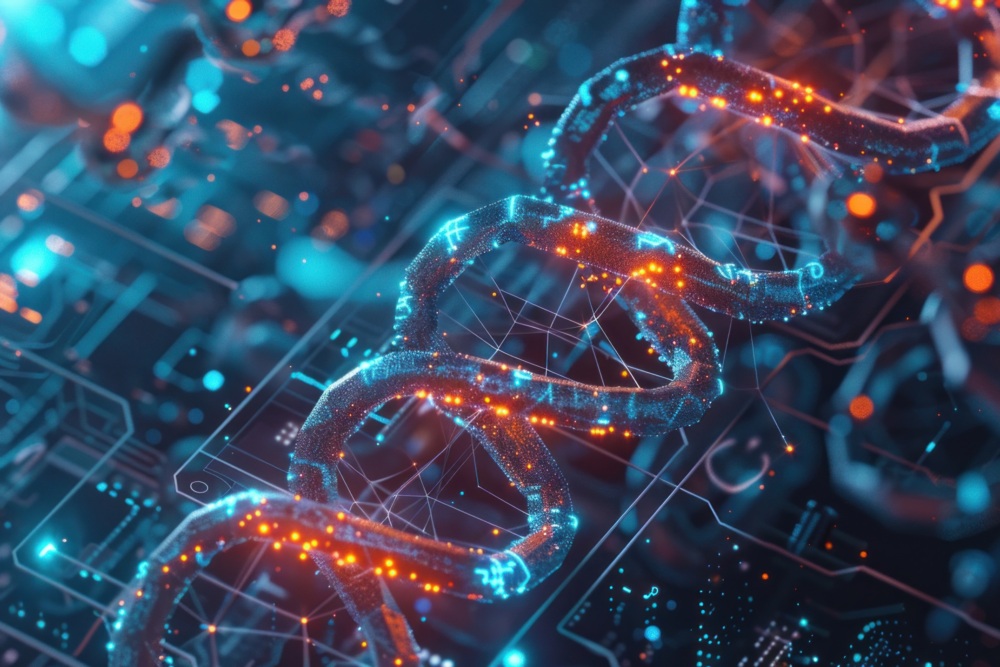
AI Can Design New Proteins. It’s Time to Build Real Biosecurity Guardrails
As protein design tools and other biological AI models become more capable of designing novel biological components and systems, the mechanisms to prevent misuse have not kept pace.
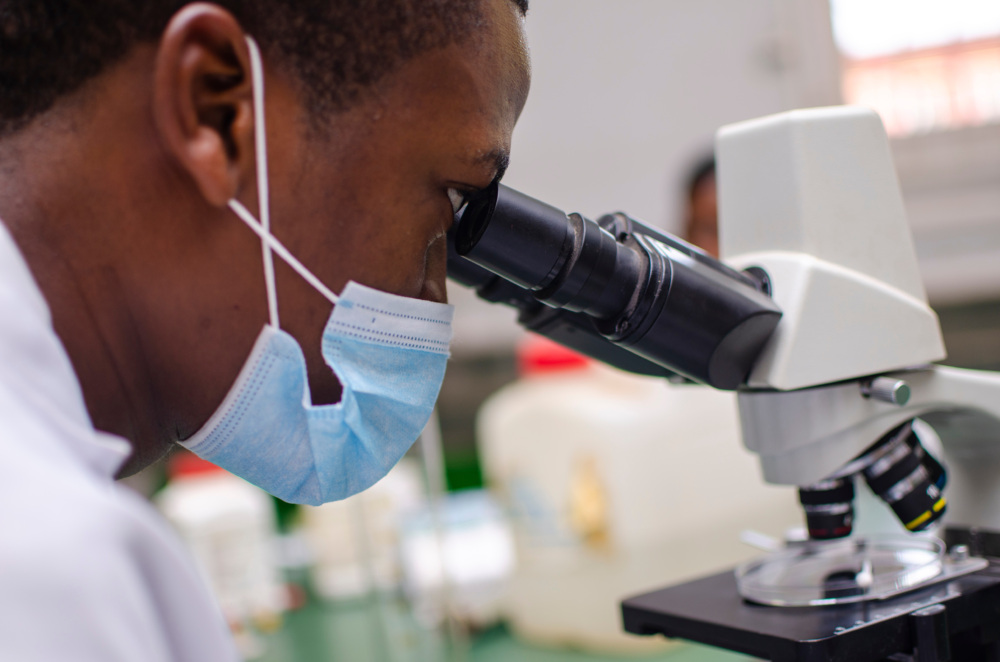
Tracking Health Security Progress and Building Resilience in Africa
The AHS Index is an objective, evidence-based tool that helps countries and organizations set priorities and identify where investments can have the greatest impact. As health threats become more complex and interconnected, maintaining momentum will require sustained investment, stronger partnerships, and continued political commitment.
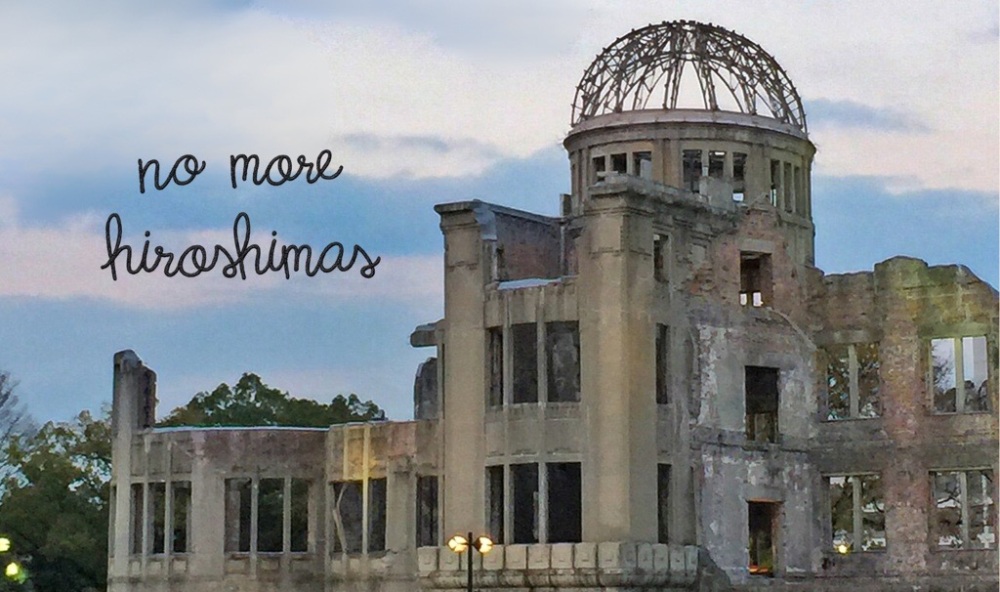
No More Hiroshimas: Harnessing Art & Culture to Remind Us What’s at Stake
On the morning of August 6, 1945, in Hiroshima, Japan, parents shared breakfast with their children and sent them off to school. Some never came home. NTI is commemorating Hiroshima and Nagasaki through a series of activities that encourage remembrance, reflection, and wider awareness.